(Click above for larger image)
|
(Click above for larger image)
|
(Click above for larger image)
|
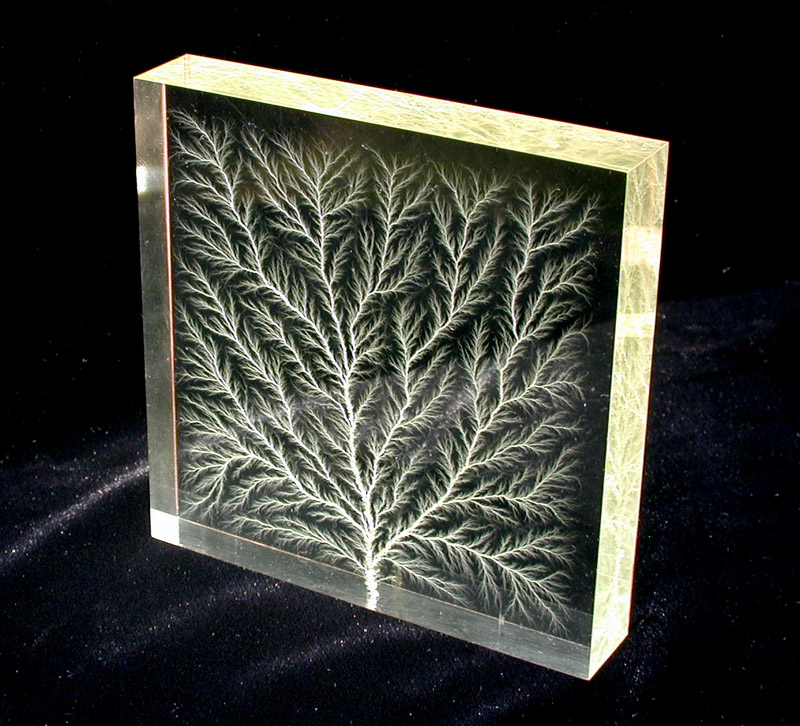
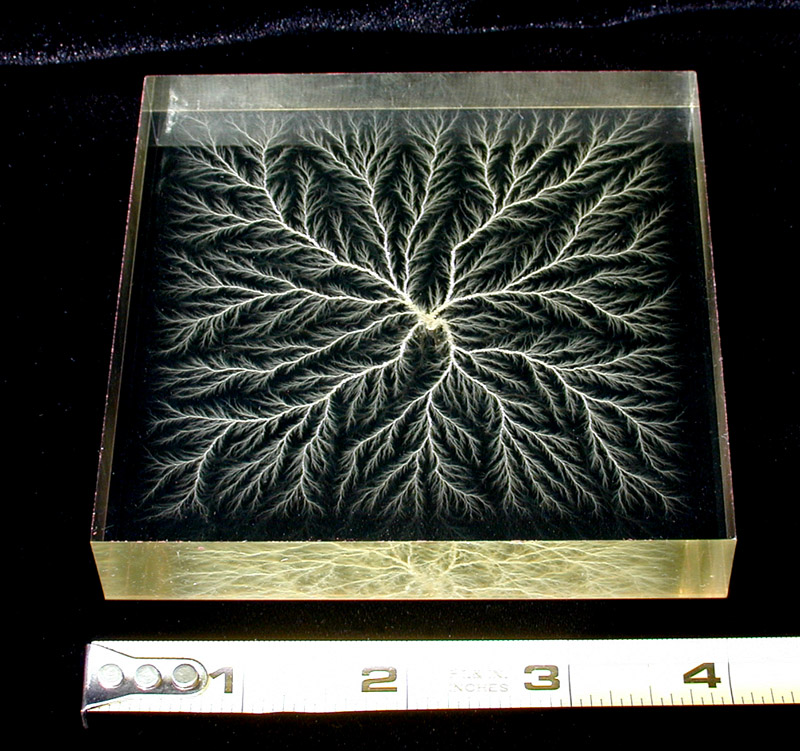
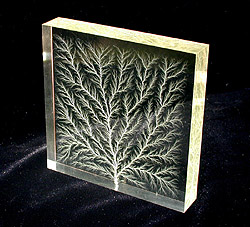
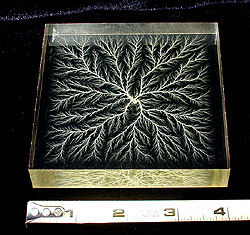
Edge Dendritic Tree
This
is one of our most popular styles. To bring out its full beauty, we
suggest illuminating it with a custom walnut light base such as our DK40x75W (white LED's) or DK40x75B
("electric blue" LED's) or using our black brushed aluminum base with
white LED's (GSB1904L).
|
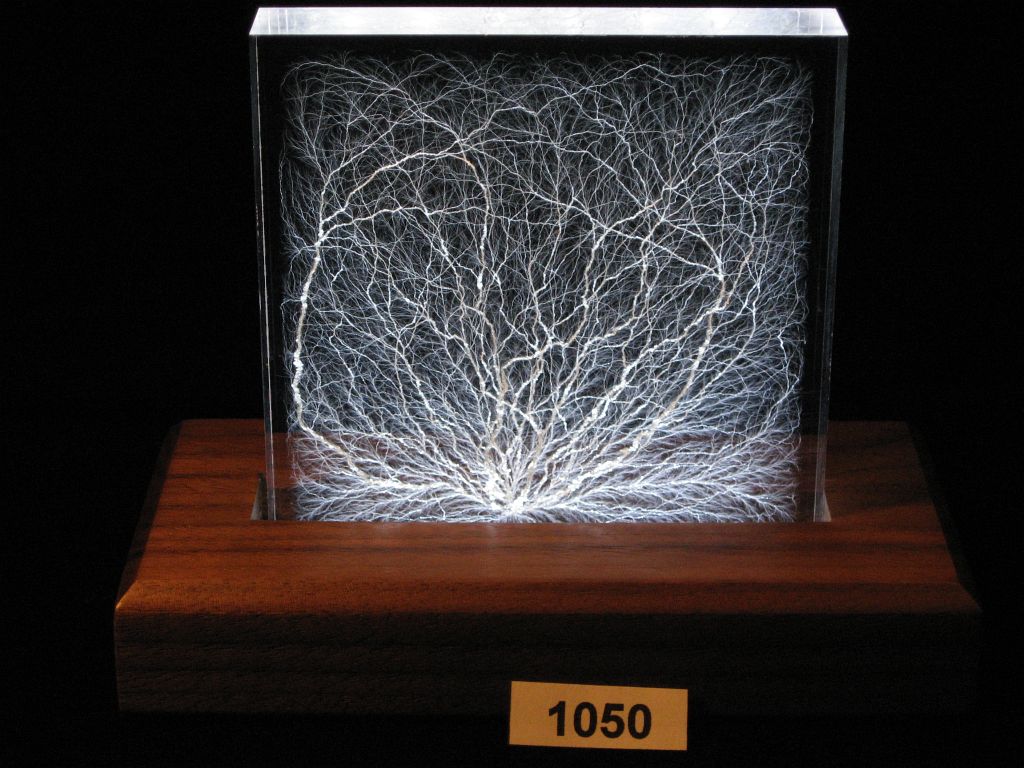
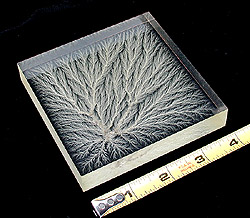
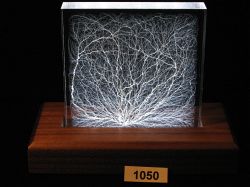
Interior Bushy Discharge
Sorry - out of stock
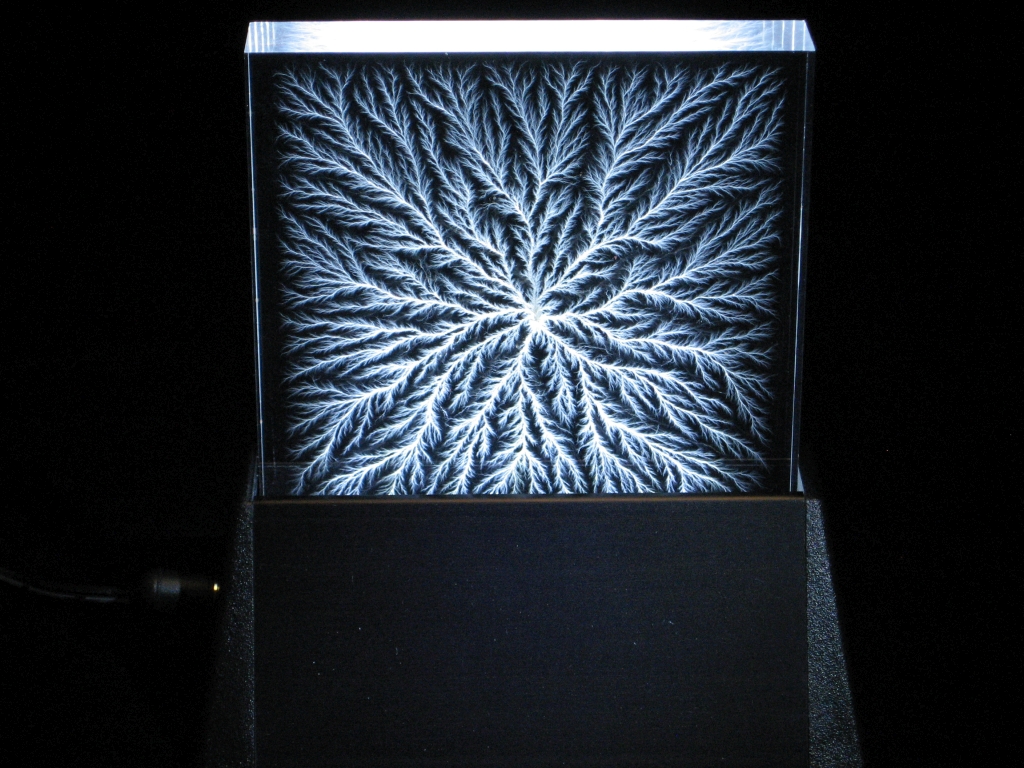
We suggest illuminating with a custom walnut light base such as DK40x75W (white LED's) or DK40x75B ("electric blue" LED's) or using our black brushed aluminum base with white LED's (GSB1904L). Discharge point may not be in the center of the specimen.
|
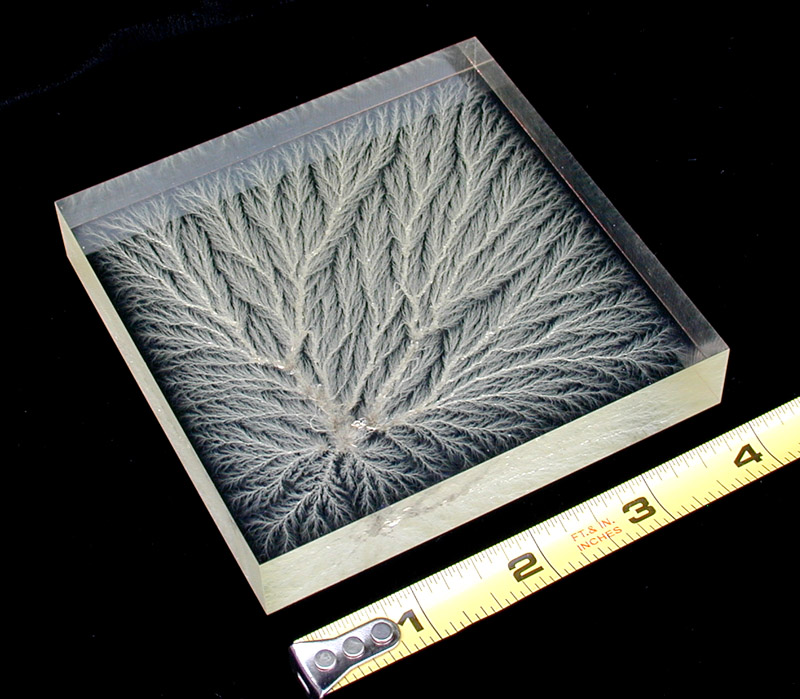
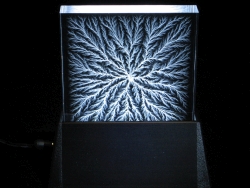
Interior Dendritic Discharge
We suggest illuminating with a custom walnut light base such as DK40x75W (white LED's) or DK40x75B ("electric blue" LED's) or using our black brushed aluminum base with white LED's (GSB1904L). Discharge point may not be in the center of the specimen.
|
(Click above for larger image)
(Mixed Chaotic and Dendritic sculpture shown)
(Click above for larger image)
|
(Click above for larger image)
(Click above for larger image)
|
(Click above for larger image)
|
Custom Natural Walnut Bases
for Style 05 Sculptures with White or Blue LED's
These
natural walnut bases are available with cool white, natural white, or
"electric blue" LED's. White LED's are recommended for brightly-lit
environments,
such as offices or schools. Use our
"electric blue" LED's to make the sculpture appear more
"spark like" for subdued lighting areas such as in typical home decor. LED's are designed for long
life (100,000 hours). Overall base dimensions are 3" x 6" x 1".
Base has a professional clear matte
polymer finish that enhances the natural solid walnut. Beautifully handcrafted by master woodworker Dale Kern, and has a velvet-lined cavity to safely and securely hold your
sculpture. The top and front surfaces of the
base are flat to accept an optional plaque to create a treasured
personalized award. Maximum optional plaque size is 4" x 3/4". Provided with a standard
120 volt AC power adapter or (optionally) a 240 volt UK, EC , or AU power adapter at no extra charge.
Natural Walnut lighted base with choice of
LED color and power adapter options
DK40x75 light base: $66.00
e Style 05)
|
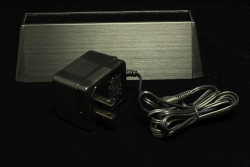
Brushed Black Anodized Aluminum Light Base
for Style 05 Sculptures with White LED's
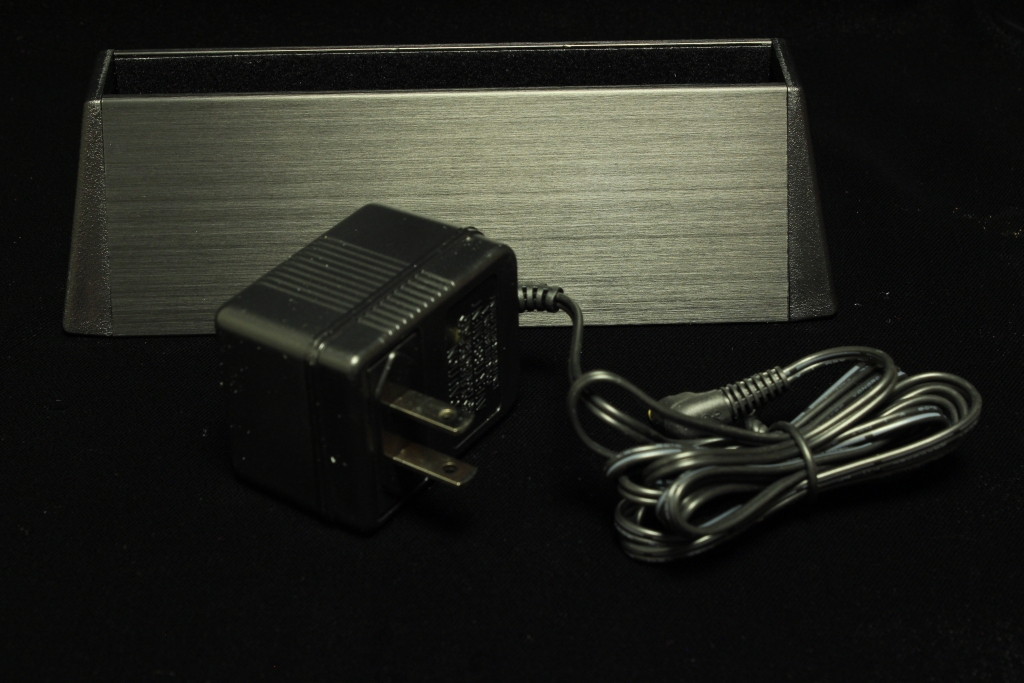
The sleek GSB1904L brushed aluminum black anodized light base is available with cool white LED's that are designed
for long life (100,000 hours). A velvet-lined cavity safely
and securely holds your
sculpture. Modern design and bright LED's work well within office
or home decors. The angled front surface of the base is flat, and can
accept
an optional plaque to create a treasured personalized award. Base
measures 1.875" high by 2" wide and 4.5" long, and recommended optional
plaque size is 3" x 1". Provided with a standard
120 volt AC power adapter or (optionally) a 240 volt UK, EC , or AU power adapter at no extra charge.
Black brushed aluminum base
with white LED's
GSB1904L light base: $45.00
Sorry - Out of Stock!
|
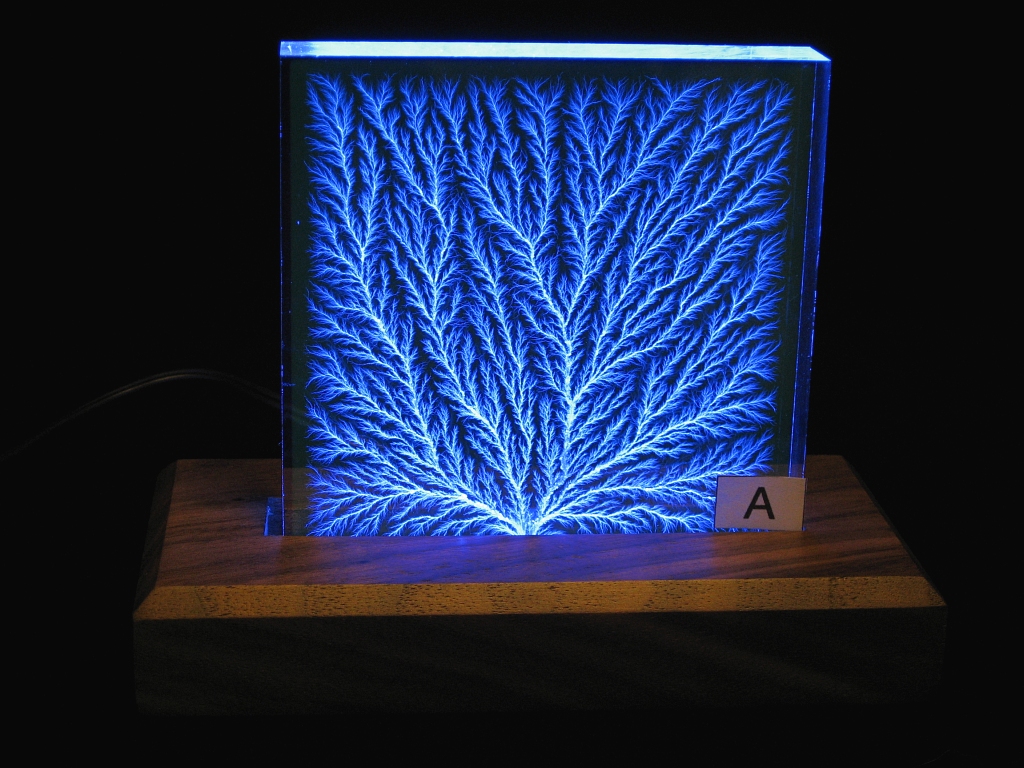
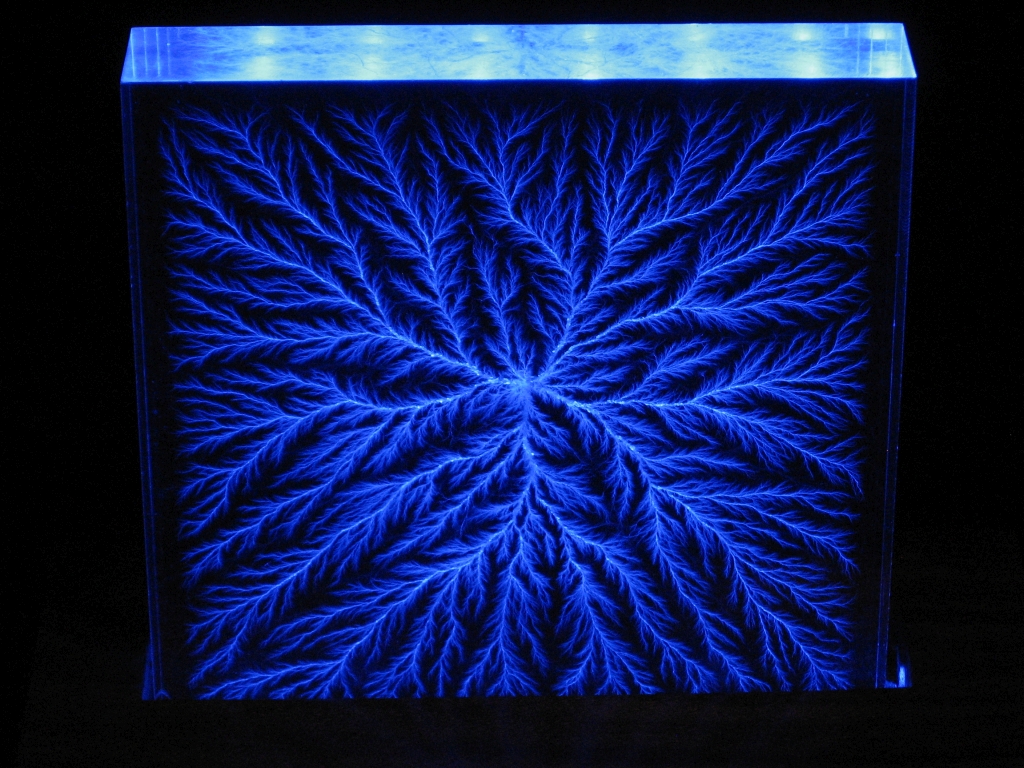
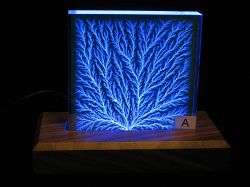
Interior Dendritic Sculpture in
DK40x75B walnut base
Style 05 with interior dendritic discharge being illuminated in a DK40x75B natural walnut light base and "electric blue" LED's. Discharge point may not be in the center of the specimen.
|